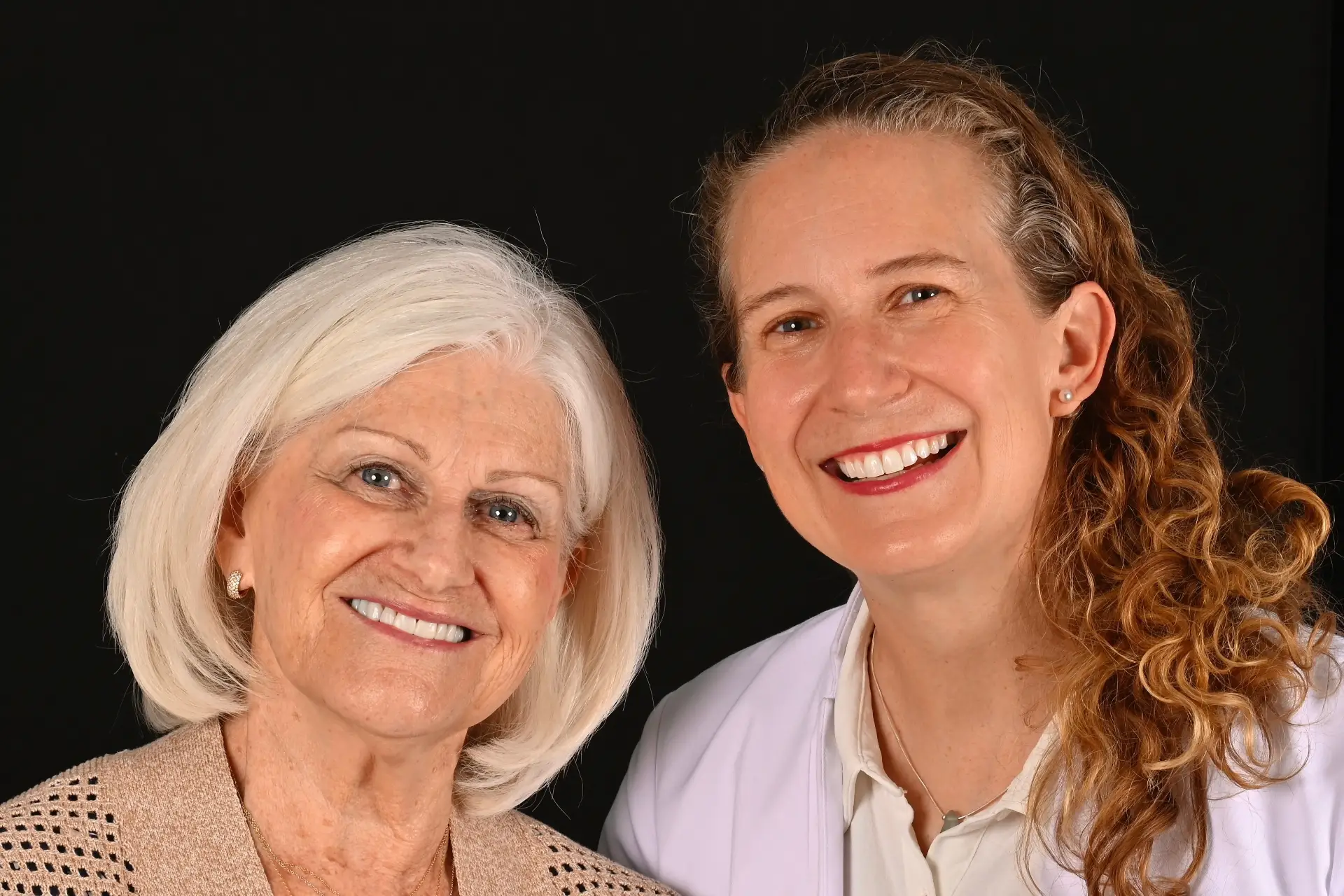
It is usually said with a small apologetic laugh, somewhere near the end of the appointment. “I suppose I’m too old for anything like that now.”
I hear it from patients in their sixties and seventies more often than from anyone else, and I want to answer it properly, because it is the single most common reason people talk themselves out of something they have wanted for decades.
A significant proportion of the cosmetic work I do at Sunshine Dentists is for patients in exactly that age range. Not as an exception. As a normal part of the practice.
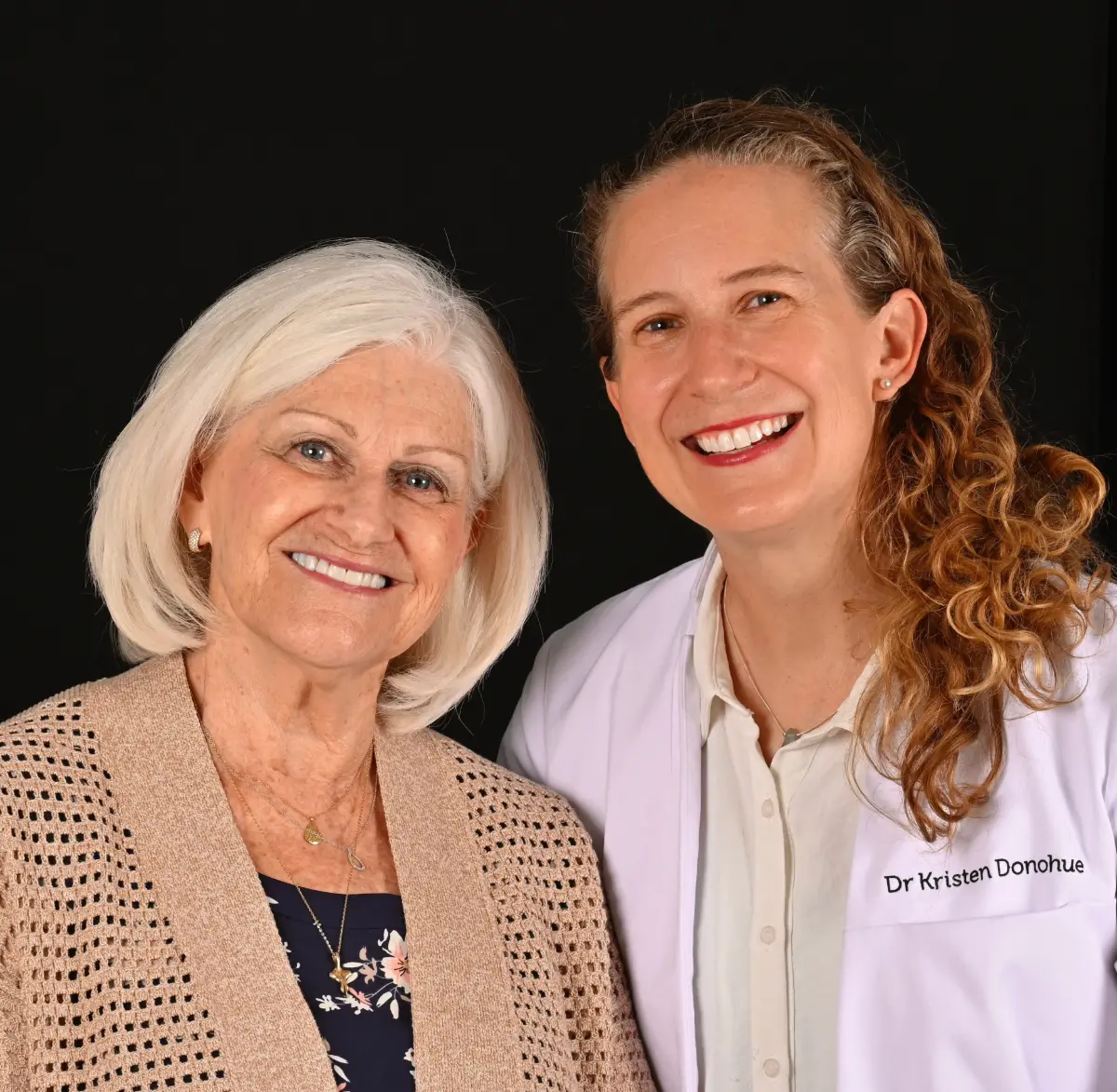
Is There an Age at Which This Stops Being Worth It?
I have never found one, and I think the question usually contains a hidden assumption worth examining.
The assumption is that cosmetic dentistry is about looking younger, and therefore becomes faintly ridiculous past a certain age. But most of my older patients are not asking to look twenty-five. They are asking to stop hiding their teeth in photographs with their grandchildren. They are asking to laugh without putting a hand up. They are asking to look like themselves again, because their teeth have worn, darkened, and shifted over sixty years and no longer match the person they feel like.
That is not vanity. It is wanting your face to represent you accurately, which is a reasonable thing to want at any age.
“But I Might Only Get Ten or Fifteen Years Out of It”
This is the version of the objection that comes up most, usually framed as being sensible with money.
I would gently push back on the arithmetic. Ten or fifteen years is not a short time. It is very likely to include most of the weddings, holidays, birthdays, and photographs still ahead of you. Patients rarely apply this logic to anything else they spend money on for their own enjoyment, and I am not sure teeth deserve to be the exception.
The patients who express regret in my chair are almost never the ones who went ahead. They are the ones who say some version of “I wish I’d done this fifteen years ago.”
What Actually Changes With Age, Clinically
Age itself is not a barrier. But some genuine things change, and they need planning rather than dismissing.
Your gum health matters more
Gum disease becomes more common with age, and it is the first thing I assess. If there is active periodontal disease, we treat and stabilize it before any cosmetic work. Treated, stable gum disease is not a barrier. Active disease is a reason to deal with that first.
Your teeth have worn
Decades of function shorten teeth and flatten biting surfaces. This is ordinary. It does mean that a smile makeover in an older patient is often as much about restoring lost tooth length and proper bite function as it is about appearance, which is a more substantial piece of work than simply changing color.
Existing dental work has a history
Older crowns, bridges, fillings, and implants all influence what is possible and in what order. Implants in particular cannot be moved, which constrains any plan involving alignment.
Gum recession changes proportions
Recession alters the visible length and shape of teeth, and sometimes exposes root surfaces that behave differently from enamel. It is workable, but it affects the design.
None of these are reasons not to treat. They are reasons to plan carefully and to be honest about sequencing.
Does It Have to Be Done All at Once?
No, and for many older patients this is the detail that changes their mind.
Approved treatment is presented as a case fee that can be broken into phases. That means a larger plan can be sequenced over time, in an order that makes clinical sense, rather than treated as a single undertaking to be accepted or declined.
Frequently the most important phase, the one that addresses health and function, comes first, and the purely cosmetic refinement follows when it suits you.
What If I Do Not Want to Look Obviously “Done”?
Good. That is the right instinct, and it is one of the main reasons we plan with Digital Smile Design rather than working from a shade guide.
Very white, perfectly uniform teeth look wrong on most faces and particularly unconvincing on an older one. A well-designed smile for a patient in their seventies has appropriate proportion, a little natural variation, and a shade that belongs to them.
And crucially, you see it before we commit to it. The Smile Test Drive lets you wear a temporary version of the proposed design and tell us it is too bright, or too long, or not quite you, while those things are still easy to change.
Is It Ever the Wrong Time?
Yes, and I would rather say so. If you have active gum disease, untreated decay, or failing restorations, those come first. If a health condition or medication affects healing, that changes the plan and sometimes the timing, and it is a conversation to have with your physician as well as with me.
Those are sequencing questions, though. They are rarely permanent refusals, and none of them are about age.
How Would I Find Out What Is Possible?
By having someone look properly. At a consultation we photograph and scan your teeth, assess your gums, bite, and existing work, and talk about what you would actually change if you could.
From that I can tell you what is realistic, what order it would happen in, and what it would cost. If I think something is a poor idea for your teeth, I will say so. There is no obligation to proceed, and plenty of patients take a plan home and think about it for a year first.
If you have been wondering for a while, it costs nothing to ask. Schedule a consultation at Sunshine Dentists in Burke, or call (703) 978-1446. We will give you an honest assessment of what is possible for your teeth, whatever your age.